Central Texas Freeze Prep and Recovery
A gardener’s guide for unpredictable Austin winters
Jennie Ostertag
1/22/26
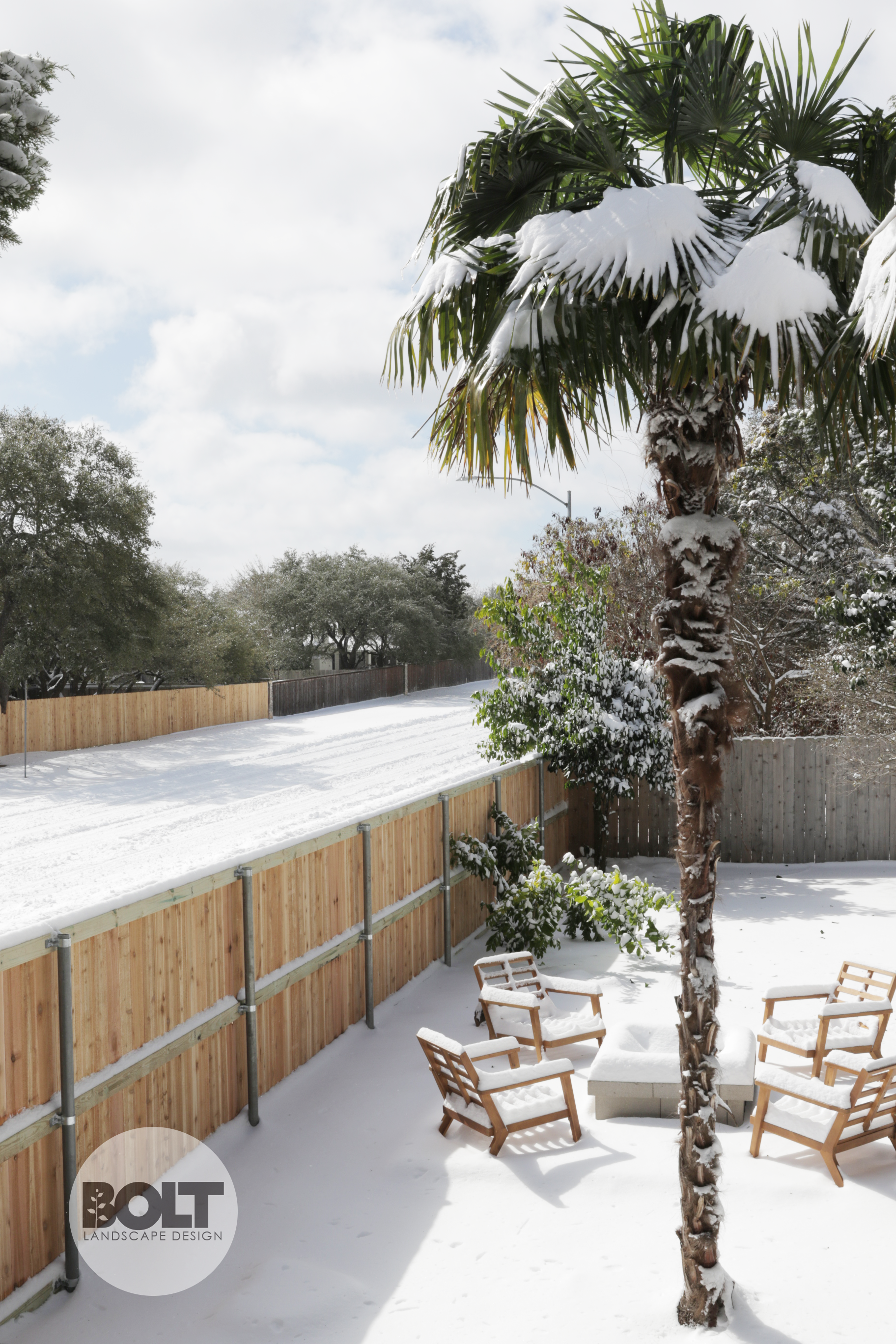
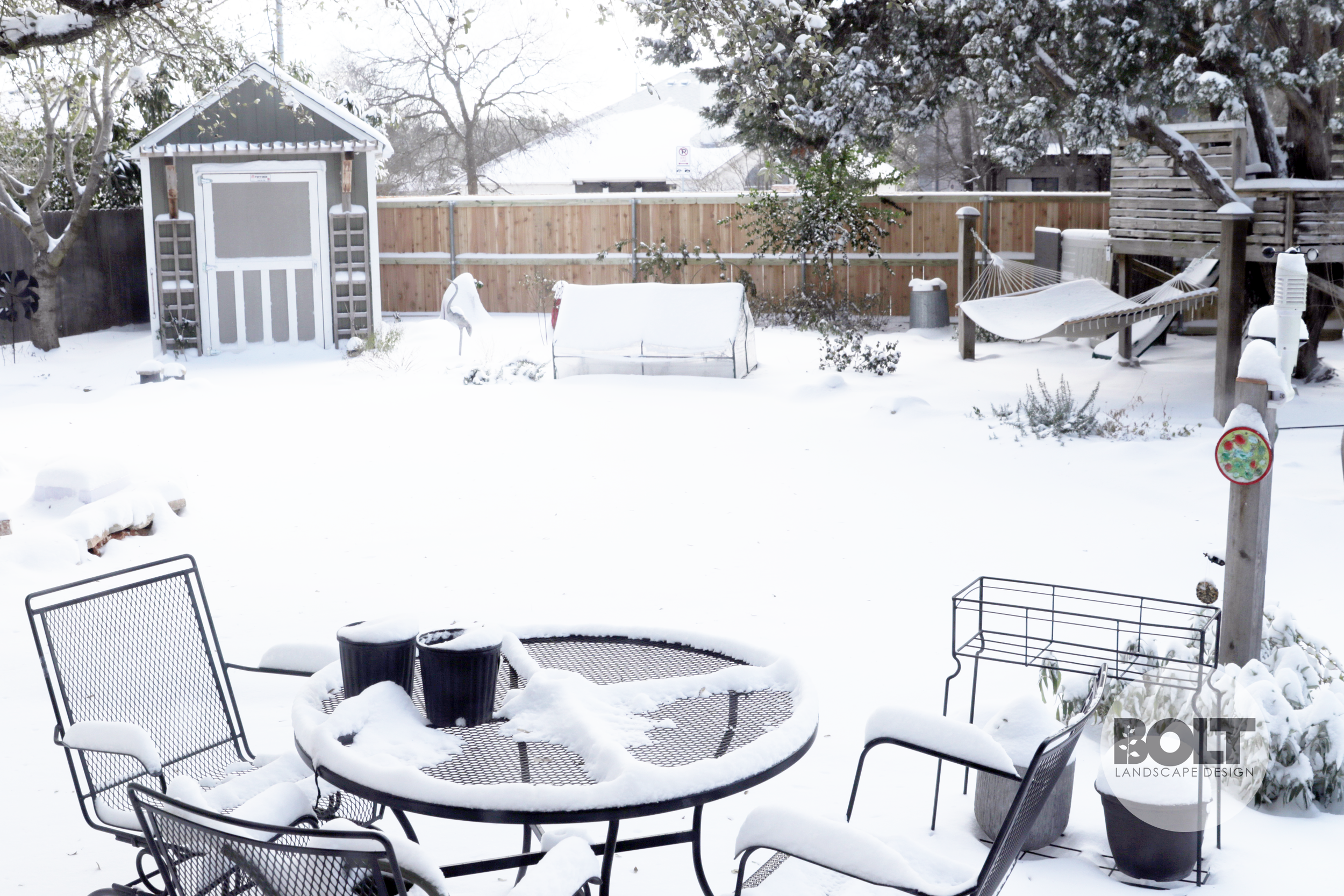
Winter freezes are a normal part of gardening in Central Texas. What’s unusual here isn’t that it gets cold, but how quickly temperatures swing and how long cold can linger.
Damage is less often caused by a brief overnight freeze and more by prolonged periods below freezing.
How to Prioritize Your Landscape
If you can’t do everything, focus on:
Plants installed within the last 6 months
Potted or above-ground plants
Borderline or tender plants
Tender vegetables and herbs
Established native and well-adapted plants in the ground are generally more resilient.
Start With Safety
Before worrying about plants:
Prepare for power and water disruptions.
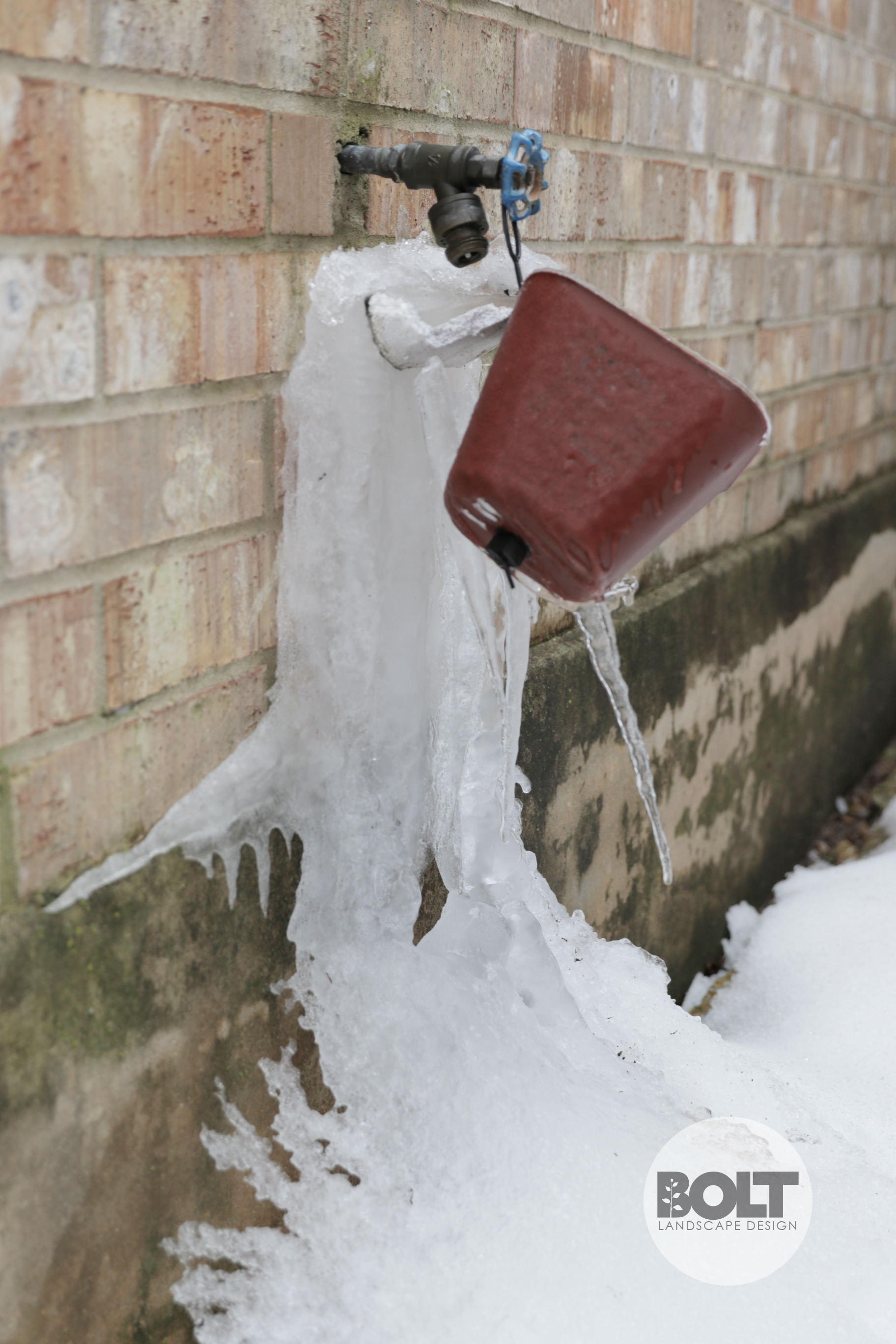
Protect pipes, disconnect hoses, and cover outdoor spigots.
Avoid driving during icy conditions when possible.
Your landscape comes second.
Winter Freeze Care Basics
Watering Before a Freeze
1
Watering in advance helps plants go into cold weather under less stress.
Water in-ground plants 1-2 days before a freeze
Avoid watering the night of the freeze, water earlier in the day if possible
Skip watering agave, cactus, yucca, and other succulents before a hard freeze
If soil is already saturated, do not add more water
After watering, turn off irrigation systems
Disconnect hoses and timers and protect with a foam faucet cover or thick towel
Mulch and Root Protection
2
Mulch helps buffer temperature swings.
Maintain ~3” of mulch over the root zone of trees, shrubs, and perennials year round
Keep mulch a few inches away from trunks and plant crowns (where roots meet the stem)
For succulents like agave, keep the crown dry (mulch may add too much moisture)
Covering Plants
3
Covers can maintain temperatures ~4-8 °F above surrounding air temperatures in ideal conditions, but during prolonged or particularly deep freezes they are not a guarantee of protection.
Use cloth materials like frost cloth, sheets, or blankets (these can be layered)
Covers should reach the ground to trap warmth
Avoid plastic touching leaves
Secure edges so wind can’t lift them
Remove or vent covers during warm daytime temperatures
Micro-climates and Containers
4
While we frequently experience deep and sudden freezes, the ground (soil) in Central Texas remains relatively warm, which protects plant roots. Plants in containers and raised beds are more vulnerable to freeze conditions.
Move containers into protected spaces (like the garage) when possible
Two yards on the same street can behave very differently.
South and west walls retain heat.
Low areas collect cold air.
Wind exposure increases damage. (Texas winter storms blow in from the northeast)
Stone and gravel radiate heat better than turf.
After the Freeze
5
Loss and die-back do not mean failure.
Central Texas landscapes are built around recovery. Patience is part of the process.
If you’ve worked with me, your landscape was designed with these cycles in mind.
Do not rush to prune
Damaged growth can protect plants from additional cold
Wait for new growth before cutting back
Expect delayed recovery into Texas spring (April or May for most of our species)
Lantana and Esperanza are often the last to return after cold winters. After a hard freeze, it is common not to see sprouts or regrowth until May or June for species that thrive in really hot temperatures.
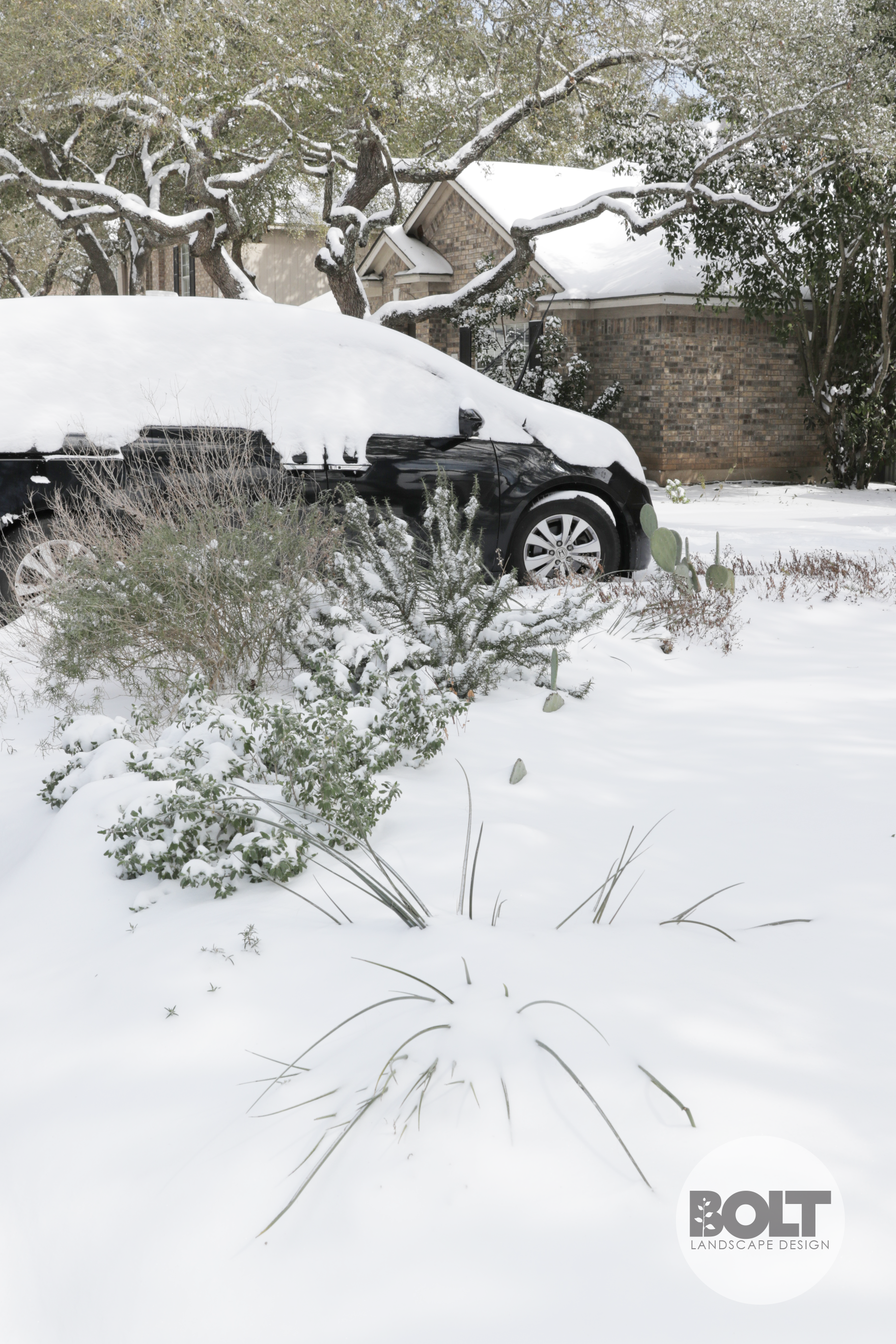
At-a-Glance Freeze Care for Common Central Texas Landscape Plants
Central Texas freezes are unpredictable. Many well-chosen plants survive by going dormant and returning later than expected.
This guide groups commonly recommended plants by how they typically respond to freezes once established and planted in the ground. Newly planted and potted plants are always more vulnerable.
Minimal Protection Needed
Cold-tough once established
What to expect:
These plants usually handle Central Texas freezes with little intervention. Some leaf burn or die-back is normal. Cosmetic damage is common. Avoid pruning until new growth appears in spring.
Agarita
American Beauty Berry
Autumn Sage / Salvia greggii
Coreopsis, Lance-leaf
Crepe Myrtle
Crossvine
Damianita
Four Nerve Daisy
Hardy Herbs (Rosemary, Oregano, Thyme, Tarragon)
Inland Sea Oats
Liriope and Lily Turf
Muhly Grasses
Native Honeysuckles (Coral honeysuckle)
Red Yucca
Roses, including Knockout Roses
Sedges
Sideoats grama
Silverberry / Elaeagnus
Skeleton Leaf Goldeneye
Skullcap
Soft Leaf Yucca
Texas Mountain Laurel
Texas Sage
Wildflowers (Native)
Yaupon Holly (standard and dwarf)
Dies Back, Then Returns
Looks dead. Usually isn’t. Be patient.
What to expect:
May lose some or all above-ground growth. These plants often disappear completely after a hard freeze and re-emerge from the roots. Lantana and Esperanza are among the last to return, often late May or even June. Do not assume loss too early.
Artemisia
Beebalm
Berlandier’s Sundrops / Calylophus
Catmint ‘Walker’s Low’
Chile Petin
Columbine
Copper Canyon Daisy
Coral Bean
Coralberry
Esperanza / Yellow Bells
Fall Aster
Fall Obedient Plant
Flame Acanthus
Frog Fruit
Horse Herb
Lamb’s Ear
Lantana
Maypop / Purple Passionvine
Mexican Honeysuckle
Mexican Mint Marigold
Mexican Oregano
Mist Flower, Gregg's
Mist Flower, White / Shrubby Boneset
Pride of Barbados
Princess Caroline Fountain Grass
Purple Coneflower
Purple Heart
Rock Rose
Sacred Datura
Salvia / Sage (Tropical, Scarlet, Mexican Bush, Mealy Blue, Indigo Spires, Amistad, etc)
Senna, Lindheimer's
Shrimp Plant
Turks Cap
Woolly Stemodia
Yarrow
Zexmenia
Succulents, Yucca, Miscellaneous
Cold + moisture is the real risk
Agaves
Prickly Pear (Opuntia)
Sedums
Yuccas and Hesperaloes
Blackfoot Daisy
Dalea, Gregg's
Germander
Mexican Feather Grass
Special care notes for Succulents:
Some damage is normal in prolonged freezes
Do not water before a hard freeze
Protect from ice accumulation when possible
Keep crowns dry
Internal damage may take weeks to show